Food and Agriculture Organization of the United Nations (FAO)
About
The Food and Agriculture Organization of the United Nations (FAO) has worked in India since 1948, making it one of the country's longest-standing development partners. India itself was a founding member of FAO in 1945, back when it was a low-income, food-deficient nation. Today, India is self-sufficient in rice and wheat, exports a wide range of food products, holds up to 60 million tonnes of food grain buffer stock, and is the world's largest milk producer and second-largest fish producer, and FAO has been a technical partner throughout that transformation.
FAO's India office operates under the Country Programming Framework (CPF) 2023-2027, aligned with the UN Sustainable Development Cooperation Framework and developed jointly with the Government of India through NITI Aayog and various ministries, states, and union territories. Its role isn't to match India's own investment scale but to provide catalytic technical expertise, policy input, and knowledge partnership on food and agriculture.
Major Areas of Work
-
Agrifood Systems Transformation: Applying international best practices and global standards, alongside national and regional expertise, to help India modernise its food and agriculture systems.
-
Food Security & Nutrition: Supporting access to food and improved nutrition outcomes, building on India's shift from food scarcity to self-sufficiency.
-
Sustainable Agriculture & Water Management: Addressing water scarcity and falling water tables, a growing concern given how central irrigation has been to India's crop production gains.
-
Rural Livelihoods & Development: Working on livelihoods tied to agriculture, dairy, and fisheries, sectors that also employ large numbers of rural women.
-
Climate Resilience & Standards (Codex): Helping farmers and industries adapt to climate change and meet international food safety and trade standards, including for products like spices and shrimp.
Major Initiatives & Programmes
-
One Country One Priority Product (OCOP): FAO's flagship initiative revitalising India's "nutri-cereal" millets value chain for health and economic benefits.
-
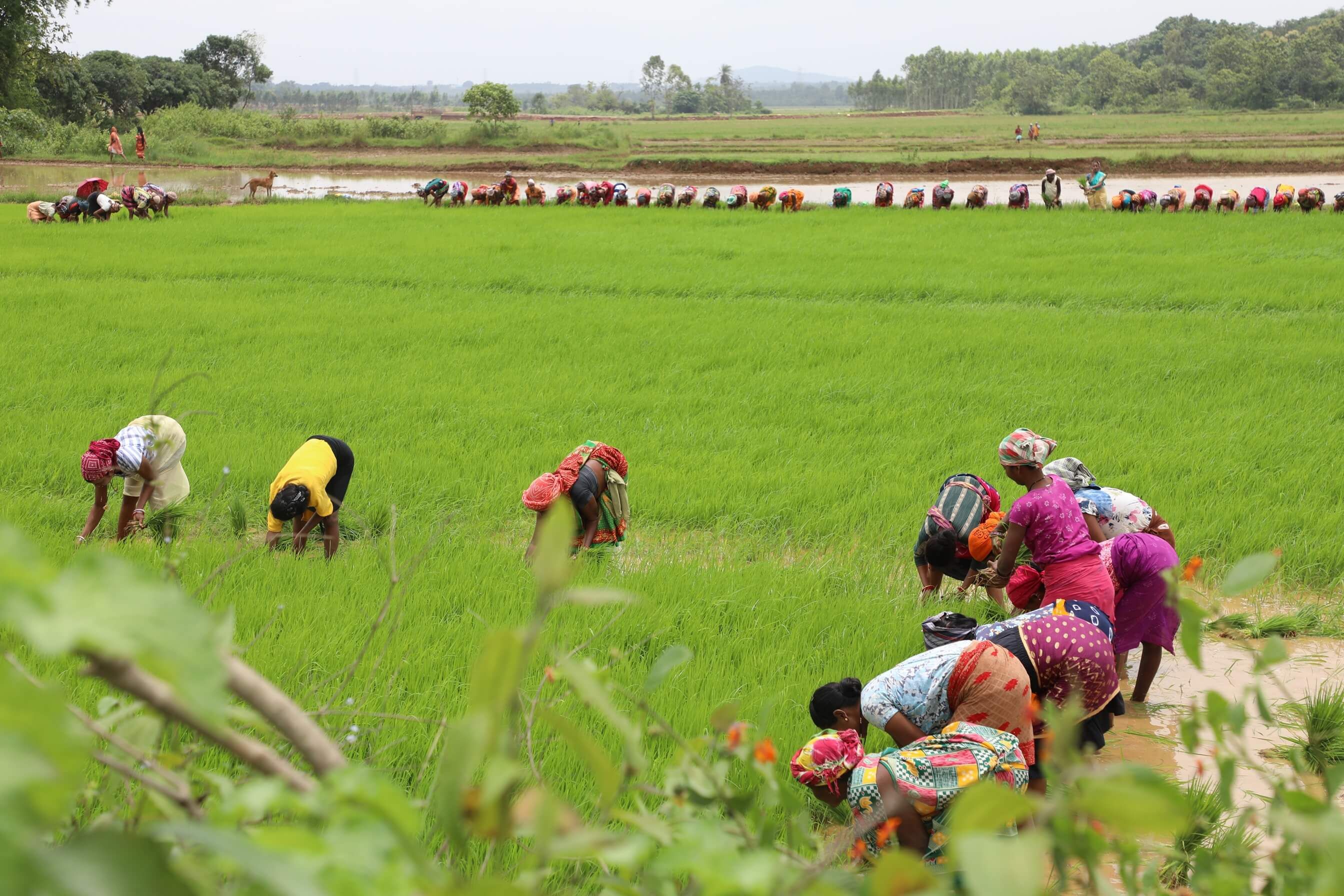
JOHAR (Jharkhand Opportunities for Harnessing Rural Growth): A programme helping 200,000+ rural households in Jharkhand, with a strong focus on women's economic participation.
-
Farmer Climate Schools: Developed with the Government of India and the Global Environment Facility to build farmer-level climate resilience.
-
Codex Trade Standards Work: Training smallholder producers (spices, shrimp) on good practices to meet international food safety and trade requirements.
-
Youth Agrifood Innovation Challenge: An ongoing initiative engaging young people in agrifood innovation across India.
-
80 Years of FAO-India Partnership: A recently published commemorative account ("Sowing Hope, Harvesting Success") marking eight decades of collaboration.
Impact
-
76+ years of continuous partnership with the Government of India (since 1948)
-
Contributed to India's food grain production rising more than fivefold, from 50 million tonnes in 1950 to 257+ million tonnes by 2014-15
-
Supporting a sector where India now produces 130+ million tonnes of milk annually (world's largest producer) and 10+ million tonnes of fish annually (world's second-largest producer)
-
JOHAR programme reaching 200,000+ rural households in Jharkhand
-
Positioned as a key knowledge partner for India's agricultural policy, while India in turn shares its own expertise with other countries through FAO
FAO offers rare access to work at the intersection of international policy and grassroots agricultural change, backed by decades of government trust and a global technical network few organisations can match. People are drawn to its role as a knowledge partner rather than just a funder, meaning staff get involved in real policy design and technical advisory work with the Government of India. It also suits people who want a truly global career path, since FAO's structure means exposure to international development practice alongside deep, local agricultural expertise.
FAO in India suits people interested in agriculture, food security, and rural development who want to work within a UN system, combining international standards and policy work with on-the-ground technical partnership.
Open Positions
View all jobs from Food and Agriculture Organization of the United Nations (FAO) on our jobs page.