Reserve Bank of India (RBI)
About
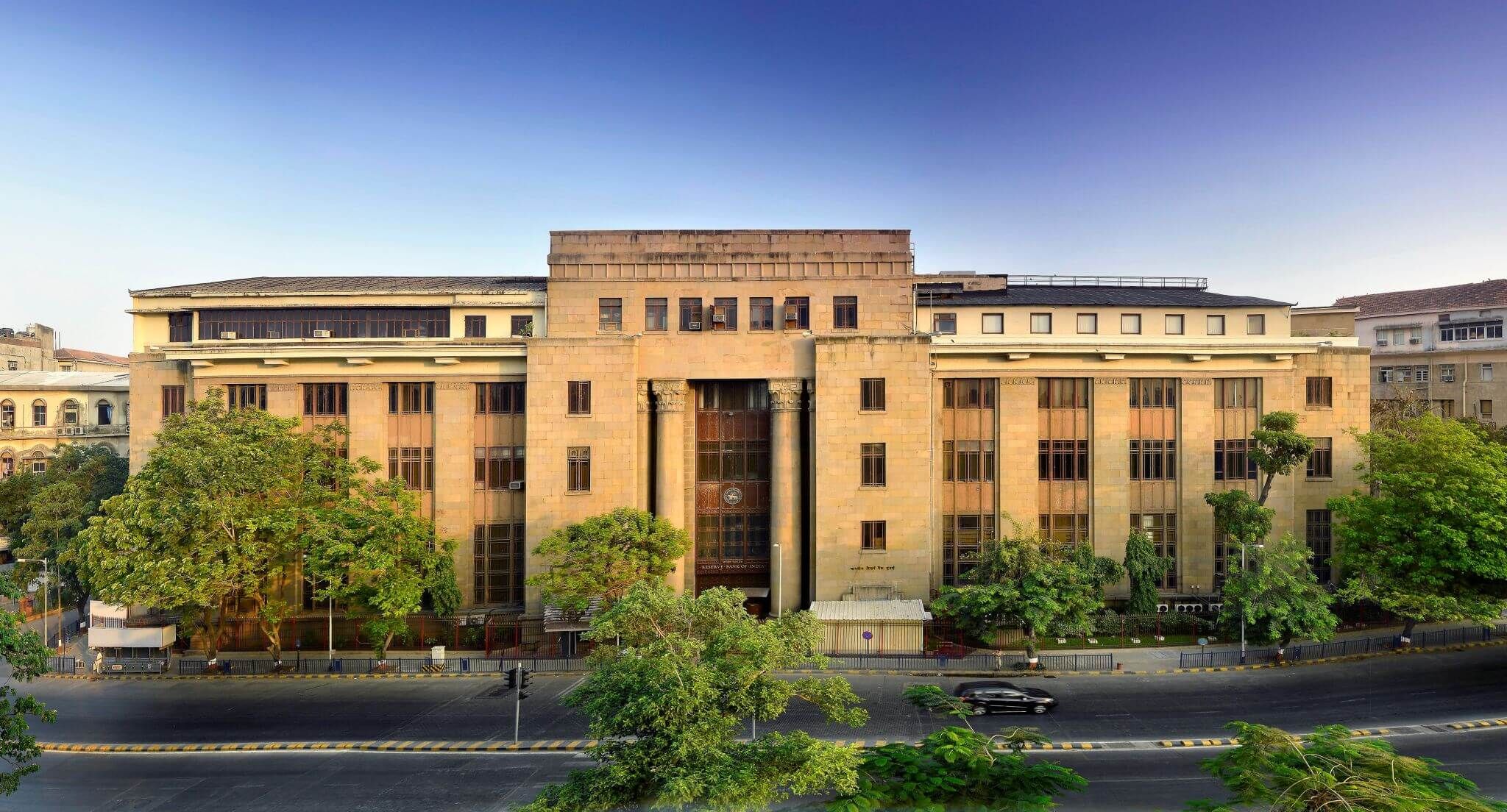
The Reserve Bank of India is India’s central bank, established on April 1, 1935, under the Reserve Bank of India Act, 1934. Its Central Office was first set up in Kolkata and moved permanently to Mumbai in 1937. It started as a privately owned institution and was nationalised in 1949, and is now fully owned by the Government of India. Its stated purpose is to regulate the issue of bank notes and keep reserves to secure monetary stability in India, while running a modern monetary framework that balances price stability with growth. It is governed by a Central Board, whose members are appointed by the Government of India for four year terms, and operates from 34 office locations across the country.
Major Areas of Work
- Monetary Policy: formulates, implements and monitors India’s monetary policy, including policy rates and reserve requirements.
- Financial Regulation and Supervision: regulates and supervises commercial banks, co-operative banks, and non-banking financial companies, and protects depositors.
- Currency Management: issues, exchanges and destroys currency notes, and manages coin circulation.
- Foreign Exchange Management: administers the Foreign Exchange Management Act, 1999, and manages the country’s foreign exchange reserves.
- Payment Systems: regulates and upgrades payment and settlement systems across the country.
- Banker to Government and Banks: acts as banker to central and state governments, and maintains accounts for all scheduled banks.
Major Initiatives and Programmes
- Regulatory Sandbox and Reserve Bank Innovation Hub: supports fintech innovation and testing of new financial products.
- HaRBInger: an annual fintech hackathon, run in editions from 2021 to 2025.
- UDGAM: a centralised portal to search for unclaimed deposits across banks.
- RBI Retail Direct: a platform allowing individuals to invest directly in government securities.
- MANI (Mobile Aided Note Identifier): an app that helps visually impaired users identify currency denominations.
- RBI Kehta Hai: a public financial awareness and consumer protection campaign.
- Board for Financial Supervision (BFS): a Central Board committee set up in 1994 to oversee banks, financial institutions and non-banking financial intermediaries.
Impact
RBI’s Central Board includes the Governor, up to four Deputy Governors, ten government-nominated non-official directors, two government officials and four representatives from its four local boards. It runs its own training institutions, including the College of Agricultural Banking and the Reserve Bank Staff College, and operates from 34 locations nationwide. As of October 2026, its current policy settings include a Repo Rate of 5.50 percent and a Cash Reserve Ratio of 3.00 percent.
Leadership
- Shri Sanjay Malhotra, Governor
- Shri Rohit Jain, Deputy Governor (appointed for a three year term from May 2026)
- Shri Sudhakar Malli, Executive Director
Partners
College of Agricultural Banking, Reserve Bank Staff College, College of Supervisors, National Centre for Financial Education (NCFE)
RBI suits people who want to work on monetary policy, financial regulation and currency management at a national scale, within one of India’s oldest and most established public institutions. It offers exposure to macroeconomic policy making, banking supervision and fintech innovation, including its own Innovation Hub and Regulatory Sandbox. Recruitment runs through its own structured process, including the RBI Grade B and Assistant examinations, rather than open role-based hiring.
Open Positions
View all jobs from Reserve Bank of India (RBI) on our jobs page.