UNICEF
About
UNICEF is the United Nations agency mandated to protect and advance the rights of children worldwide. It has worked in India since 1949, making it one of the longest serving development organisations in the country. UNICEF India employs approximately 450 staff members working in 17 states and territories, giving it the largest field presence of any UN agency operating in India. UNICEF India works to protect every child's right to survive, thrive, and reach their potential through health, nutrition, education, and protection programmes. Its work is grounded in technical, evidence based expertise delivered in partnership with the Government of India, state governments, civil society, and communities, rather than through standalone service delivery.
Major Areas of Work
-
Health and Immunization: Supporting national immunization systems and maternal and child health services to reduce preventable child deaths.
-
Nutrition: Working through large scale government platforms, including the Integrated Child Development Services and the National Health Mission, to reduce stunting, wasting, and child malnutrition.
-
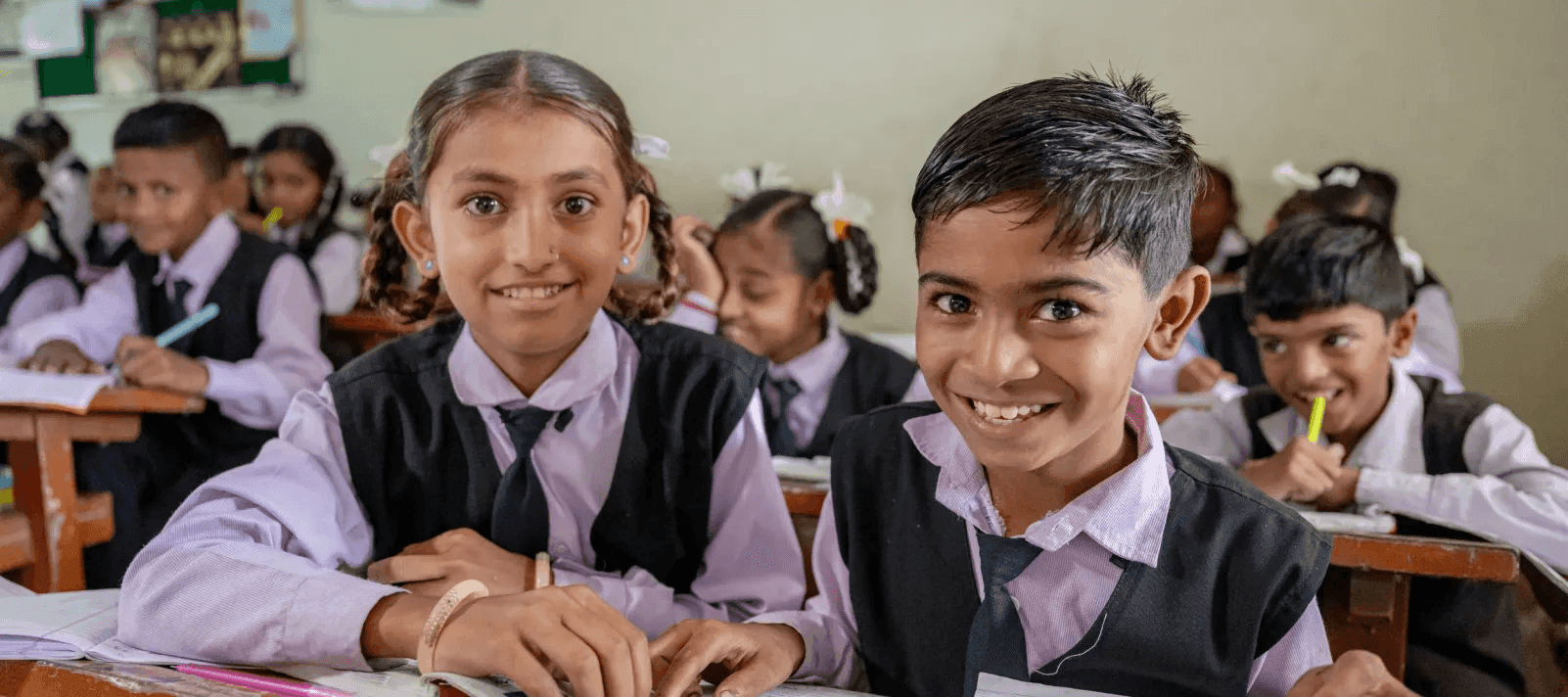
Education: Supporting equitable access to quality schooling, particularly for children affected by gender, caste, location, and conflict related disadvantage, including work on girls' education transitions and school attendance.
-
Child Protection: Working on issues such as child marriage, violence against children, and access to protective services.
-
Water, Sanitation and Hygiene (WASH): Supporting safe water and sanitation access as a foundation for child health.
-
Climate Change and Environment: Integrating climate and environmental sustainability considerations across health, nutrition, education, and WASH programming, including youth focused climate engagement.
-
Social Policy: Working to reduce child poverty and improve public investment, governance, and accountability in child focused services.
Major Initiatives & Programmes
-
Sarva Shiksha Abhiyan Support: Long standing technical collaboration with the Government of India's flagship elementary education programme, including work on girls' education and Kasturba Gandhi Balika Vidyalayas (KGBVs).
-
Digital Gender Atlas for Advancing Girls: A decision making tool developed by UNICEF to identify geographic areas with low performance on gender related education indicators for marginalised groups.
-
YuWaah (Generation Unlimited): UNICEF India's youth engagement platform, which led youth participation at Mumbai Climate Week 2026 and runs the Youth Green Innovation Challenge for changemakers aged 16 to 24.
-
Meri LiFE / Mission LiFE Support: Supporting the Government of India's Mission LiFE and youth led climate action platforms.
-
Conflict Affected Area Education Programmes: Community mobilisation and school access work in conflict affected parts of Assam, Chhattisgarh, Jharkhand, and Odisha.
Impact
-
UNICEF has been active in promoting and protecting the rights of children in India for 75 years, since establishing a Delhi office in the early 1950s.
-
450 staff members work across 17 states, covering 90 per cent of India's child population.
-
Meri LiFE has recorded more than 31.9 million pro planet actions, and Maharashtra's Youth Engagement and Water Stewardship programme has reached over one million young people.
-
At 90% coverage, evidence based nutrition and health interventions can contribute to a 20% reduction in stunting and a 61% reduction in severe wasting in the populations UNICEF and government partners target.
-
Part of a global organisation working with many partners to uphold children's rights across India, and operating in over 190 countries worldwide.
UNICEF suits people who want to work at the intersection of technical expertise and large scale government systems, rather than direct service delivery alone. Much of the work involves policy support, capacity building, and data driven advocacy, such as securing funding for immunization programmes, shifting social norms, or advising government partners, so it appeals to people motivated by long term, systemic change over visible, immediate outcomes. It also suits people drawn to a globally recognised mandate, multilateral ways of working, and roles spanning health, education, nutrition, protection, WASH, or social policy within one of the world's most established child rights organisations.
Open Positions
View all jobs from UNICEF on our jobs page.