Centre for Wildlife Studies
About
Centre for Wildlife Studies is an internationally recognised centre of excellence in wildlife research, conservation, policy, and education, with 40 years of work safeguarding India's wildlife heritage. CWS combines scientific research with field based conservation interventions and community engagement, working across biodiversity research, human-wildlife conflict mitigation, public health, and environmental education. The organisation also runs academic programs, including a PhD in Wildlife Ecology and Conservation with Manipal University and a Master's Degree Program in Wildlife Biology and Conservation at the National Centre for Biological Sciences (NCBS), founded by Dr. K. Ullas Karanth.
Headquaters: Bengaluru, Karnataka, India (37/5, Yellappa Chetty Layout, Ulsoor Road)
Major Areas of Work
- Human-Wildlife Conflict Mitigation: Helping communities access government compensation for wildlife related losses.
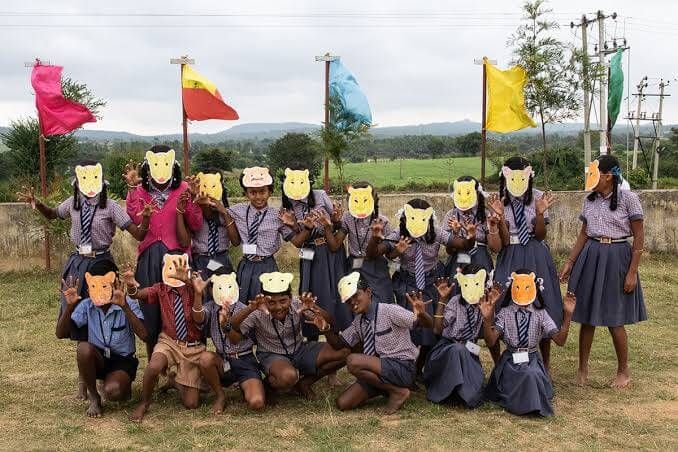
- Environmental Education: Building empathy and conservation awareness among children living near wildlife reserves.
- Public Health and Safety: Training rural communities to manage zoonotic disease risks linked to wildlife contact.
- Biodiversity Research: Scientific research across some of India's most biodiverse landscapes.
- Nature Based Tourism and Infrastructure: Research on sustainable tourism and wildlife corridor connectivity.
- Academics: Doctoral, Master's, and study abroad programs in wildlife ecology and conservation.
Major Initiatives & Programmes
- Wild Seve: A toll-free helpline launched in 2015 that helps farmers file for government ex-gratia compensation after human-wildlife conflict incidents, active across village settlements in Karnataka, Tamil Nadu, and Kerala.
- Wild Shaale: An environmental education curriculum for children aged 10 to 13 living near wildlife reserves, using storytelling, art, and games to build conservation awareness.
- Wild Surakshe: A public health and safety training program helping rural communities manage zoonotic disease risk and wildlife related emergencies.
- Wild Incubator: A program supporting early stage conservation ideas and technology.
- Doctoral and Master's Programs: Run in partnership with Manipal University and NCBS, training the next generation of wildlife scientists.
Impact
Wild Seve has supported people across more than 4,215 village settlements affected by human-wildlife conflict since 2015. Wild Shaale has reached over 72,000 children across more than 1,600 schools near wildlife reserves. CWS is led by CEO Dr. Krithi K. Karanth, recognised as National Geographic's 2026 Rolex Explorer of the Year for her work on human-wildlife coexistence.
Leadership Team
- Dr. Krithi K. Karanth - Chief Executive Officer
- Dr. K. Ullas Karanth - Research Advisory Council
- P.M. Muthanna - Director, Field Conservation
- Dr. Vikram Aditya - Principal Scientist and Faculty
Partners
CWS collaborates with government forest departments across Karnataka, Tamil Nadu, and Kerala, Manipal University, the National Centre for Biological Sciences (NCBS), Duke University, and Inland Norway University of Applied Sciences.
CWS suits people who want to combine hard science with field level conservation impact, since its model spans peer reviewed research, direct community intervention, and policy engagement. It appeals to people motivated by measurable conservation outcomes, human-wildlife coexistence work, or environmental education, and to those drawn to a globally recognised, four decade old institution with strong academic partnerships and a leadership team active in international conservation science.
Open Positions
View all jobs from Centre for Wildlife Studies on our jobs page.