



TinkerHub
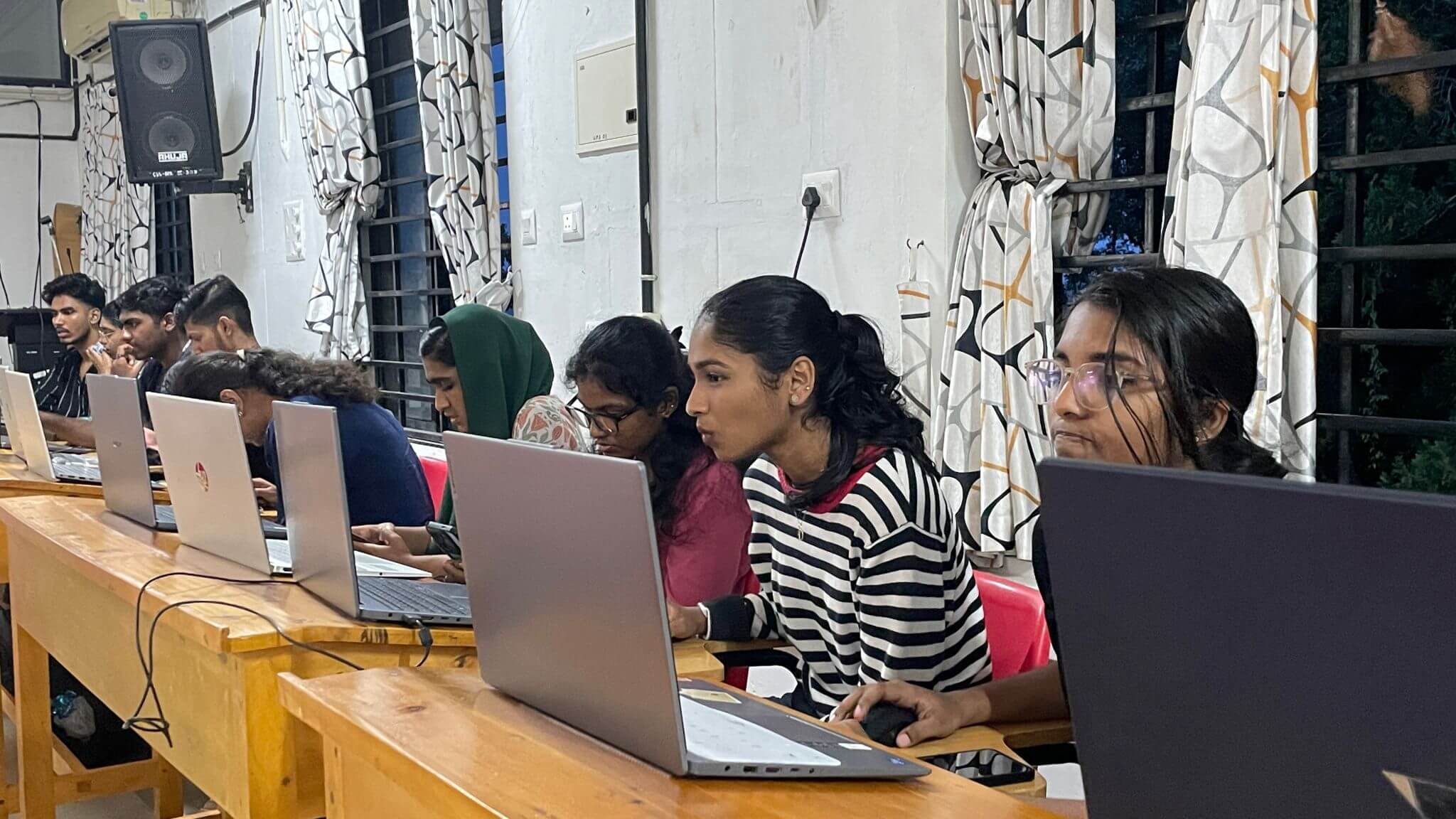
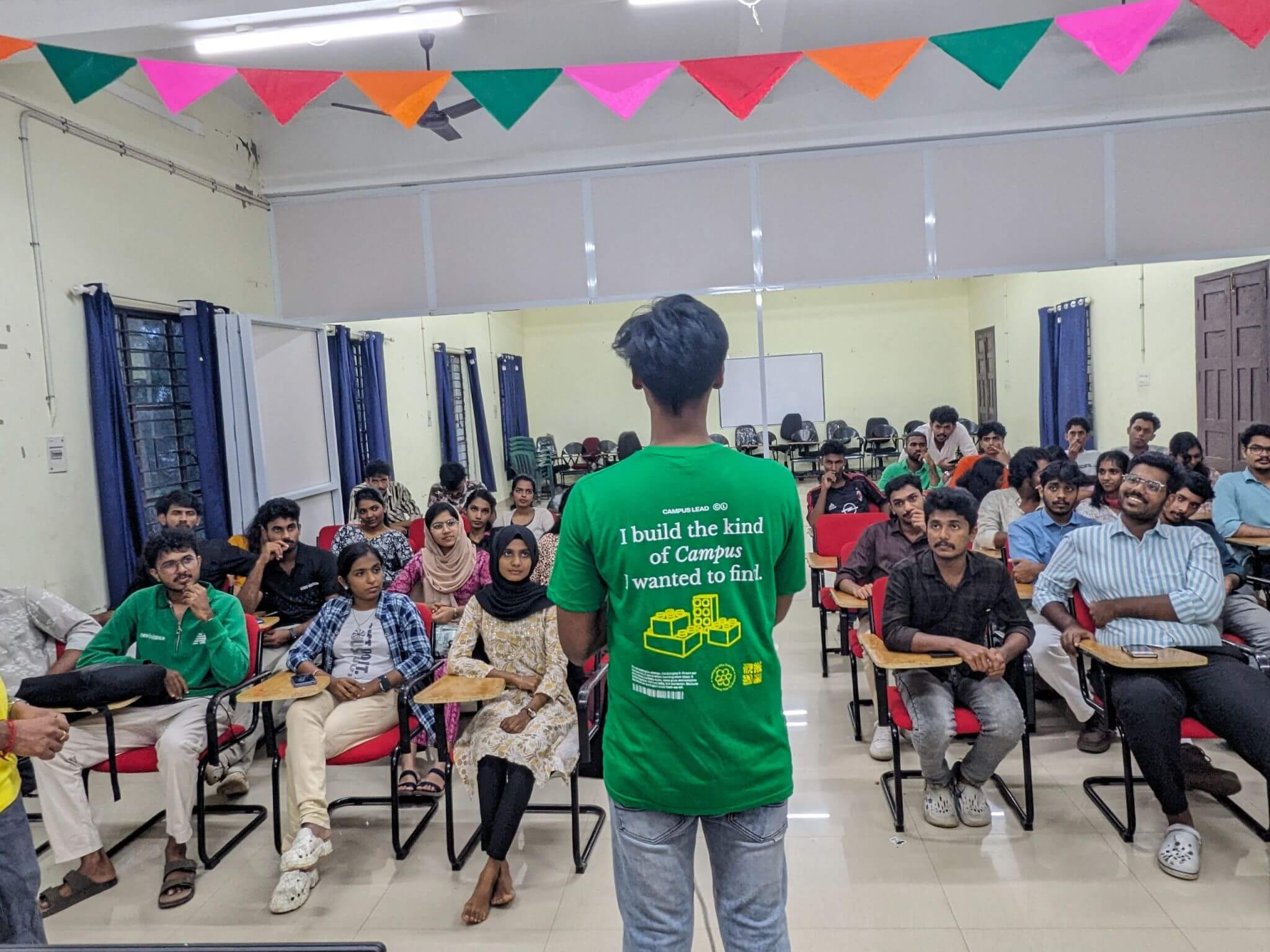
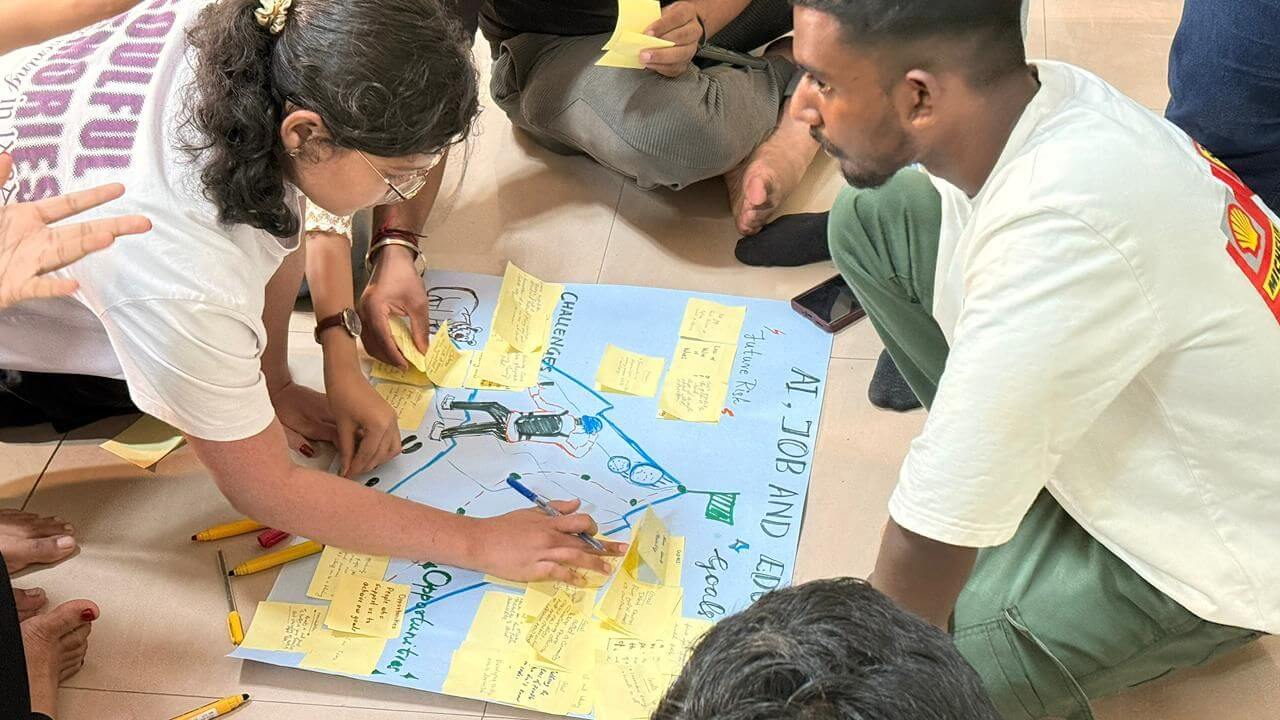
TinkerHub Foundation is a not-for-profit based in Kochi that builds peer-led technology learning communities inside engineering colleges across Kerala. It started in 2016 as a student group at CUSAT, inspired by the Mozilla maker community, and has since grown into a network of 18,000+ members across 60+ campuses. The model is simple: students teach each other, run their own chapter on campus, and the Foundation provides structure, events, and resources. Everything is free.
TinkerHub sets up campus communities inside engineering colleges, particularly in government colleges in smaller towns and rural parts of Kerala. Each campus has a student-led core team that runs workshops, learning stations, hackathons, and project sessions through the year. The Foundation supports these chapters with playbooks, mentors, and a shared identity, but the work is done by students themselves.
Beyond campuses, TinkerHub runs Tinkerspace, a physical maker space in Kochi that is open around the clock. It also organises larger events including bootcamps, distributed hackathons, and AI workshops for both students and working professionals.
Programs and events
- TinkerSpace (Kochi) A physical, 24/7 open maker space in Kochi that Mehar describes as a public library for hackers. On any given day, 100 to 150 people pass through.
- Useless Projects TinkerHub's most distinctive hackathon format. An 18-hour overnight make-a-thon where students are asked to build something deliberately pointless.
- TinkHerHack A women-only distributed hackathon now in its fourth edition, hosted simultaneously across 60 to 70 venues across Kerala.
- TinkerDays Monthly community gatherings in different districts across Kerala, where members meet, share projects, and connect with industry professionals.
- Saturday HackNight A bi-weekly online hackathon where participants explore new technology and build projects, with an offline component at TinkerSpace for those who can come in person.
- Learning Stations and Bootcamps Peer-led learning sessions on specific topics, ranging from web development and open source to AI and hardware.
- Amazon Future Engineer Scholarship (partnership) TinkerHub runs this in partnership with Amazon for first-year female B.Tech students in CS, IT, and related fields. Recipients get Rs 40,000 annually until graduation, plus a programming mentor.
A recurring emphasis is on getting more women into technology. TinkHerHack, a women-only distributed hackathon hosted across 15+ colleges simultaneously, has grown into one of the larger all-women hackathon events in India.
The community's numbers: 18,000+ members, 60+ campus chapters, 1,000+ events hosted, 5,000+ projects completed, 100+ career opportunities created.
TinkerHub does not charge fees. Funding comes from Samagata Foundation (via Kailash Nadh, CTO of Zerodha), Kerala Startup Mission (a government initiative), FOSS United, and a base of 50 to 70 community members who contribute monthly. Institutional partners include OASIS (a tech access initiative for NGOs) and aikyam Fellows.
Most of TinkerHub's reach is in engineering colleges that are not in the spotlight: government institutions in smaller districts where students have ability but limited access to networks, projects, or industry exposure. The organisation treats every student as a maker rather than a beneficiary, and the peer-teaching model means the community builds on itself rather than depending on external instructors.
For people interested in tech education, community building, or youth programs in Kerala, TinkerHub is one of the more well-established grassroots efforts in the state.


