PETA India
About
People for the Ethical Treatment of Animals (PETA) India is an animal rights organisation founded in 2000 and registered as a charitable trust. It works on the principle that animals are not ours to eat, wear, experiment on, use for entertainment or abuse in any other way. Its work concentrates on the industries in which it says the largest numbers of animals suffer: farming and food, laboratories, the clothing trade, and entertainment.
The approach combines undercover investigations, public education, corporate negotiation, celebrity-backed campaigns and litigation, rather than direct service delivery alone. It also runs field operations, including sterilisation drives and response to individual cruelty cases. Much of its policy work is directed at central ministries, regulators and the courts, with the aim of changing rules rather than single outcomes.
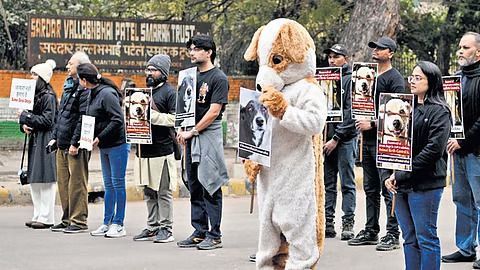
Headquarters: Mumbai, Maharashtra.
Major Areas of Work
-
Food and farming: work on the treatment of animals in dairy, meat and egg production, live transport and slaughter, alongside promotion of vegan eating.
-
Animal experimentation: campaigns to end testing on animals in cosmetics, product safety and education, and to have non-animal methods adopted in their place.
-
Clothing and fashion: work against leather, fur, wool, silk and exotic skins, including engagement with brands and retailers on their sourcing.
-
Animals in entertainment: work on the use of animals in circuses, films, tourist rides, temple and festival events, and racing.
-
Companion animals and emergency response: sterilisation and vaccination work, rescue of injured and abused animals, and pursuit of cruelty complaints.
Major Initiatives and Programmes
-
Compassionate Citizen: a humane education programme offered free to schools, using classroom material and teaching aids to introduce students to animal welfare.
-
Animal birth control and veterinary field work: sterilisation and treatment drives for street animals, run with municipal bodies and local partners.
-
Emergency response and cruelty casework: a team that responds to reports of injured or abused animals and pursues cases with police and welfare boards.
-
Vegan outreach and food awards: campaigning, recipe and starter-kit material aimed at consumers, with awards recognising restaurants, brands and companies that offer vegan options.
-
Legal and policy advocacy: petitions, representations and public interest litigation directed at ministries, regulators and courts to change rules governing the use of animals.
Legal and policy advocacy is the strand that carries most of the organisation's stated results. PETA India credits this work with regulatory changes including the prohibition of cosmetics testing on animals in India and the ban on importing cosmetics tested on animals, the removal of animal dissection from university life sciences curricula, and restrictions on the use of animals in specific entertainment and transport settings. The pattern of the work is to combine an investigation or complaint with a legal filing and a public campaign on the same issue.
Leadership
- Dr Manilal Valliyate, Chief Executive Officer
A job here suits someone who wants advocacy work rather than programme delivery: building a case, taking it to a regulator or a court, and running the public campaign that goes with it. The organisation gives exposure to investigations, media and celebrity engagement, corporate negotiation, policy drafting and litigation support, often on the same issue at once. Field roles involve veterinary work, rescue and sterilisation, which is demanding and frequently distressing. It fits people who are comfortable with a confrontational public posture, since the organisation deliberately takes positions that draw disagreement, and who can hold to a long timeline on issues where change comes through rules rather than single cases.
Open Positions
View all jobs from PETA India on our jobs page.